

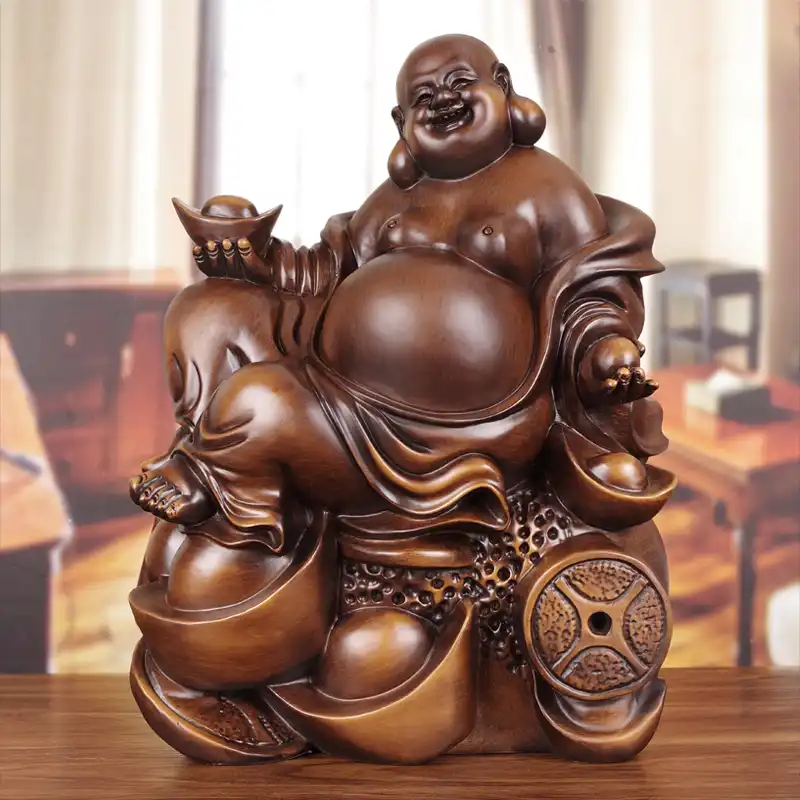

Huanghuali wood, also known as Dalbergia odorifera, is a legendary material that has guided spiritual seekers in China for centuries. We have found that this precious timber does much more than just look beautiful in a room; it acts as a steady anchor for the mind during deep meditation. In the world of Taoist practice, this wood serves as a physical bridge that helps a person connect with the flow of universal energy, or Chi(气). By using its unique density and famous “ghost face” grain patterns, practitioners can stabilize their internal vibrations and find a deeper sense of peace. This guide will show you how Huanghuali supports the harmony of body and mind through the ancient traditions of Inner Alchemy(内丹) and mindfulness.
- Huanghuali provides a natural grounding force that balances Chi flow during seated practice.
- The unique “ghost face” grain patterns act as a visual focus for entering deep meditative states.
- Its subtle medicinal aroma helps calm the Shen(神) or spirit without distracting the senses.
- The wood is deeply linked to the Wood element, representing growth and the expansion of consciousness.
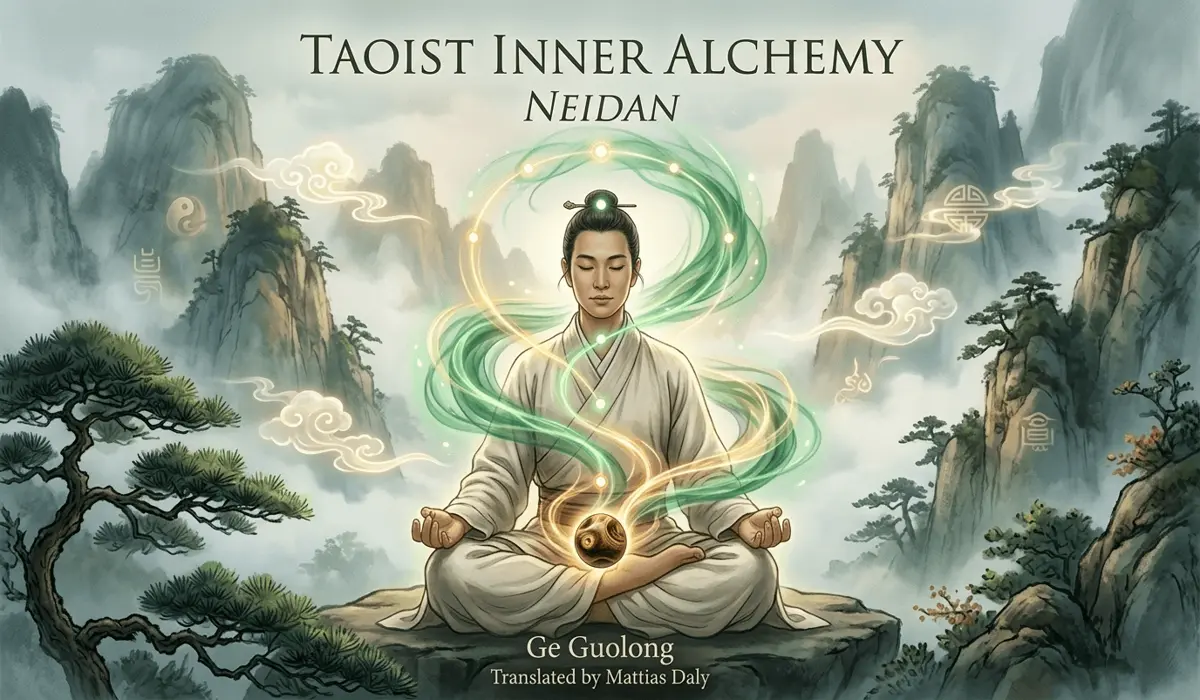
- Practitioners use Huanghuali tools to facilitate the Microcosmic Orbit in Inner Alchemy.
What Is The Role of Huanghuali in Taoist Meditation?
In our experience at the Buddha Bodhis studio, Huanghuali is much more than just a type of rosewood. Its name literally translates to “yellow flowering pear wood,” and it has a long history of being a “living” material. This means the wood actually interacts with the person using it, changing over time as it absorbs their energy and touch.
Definition of Huanghuali
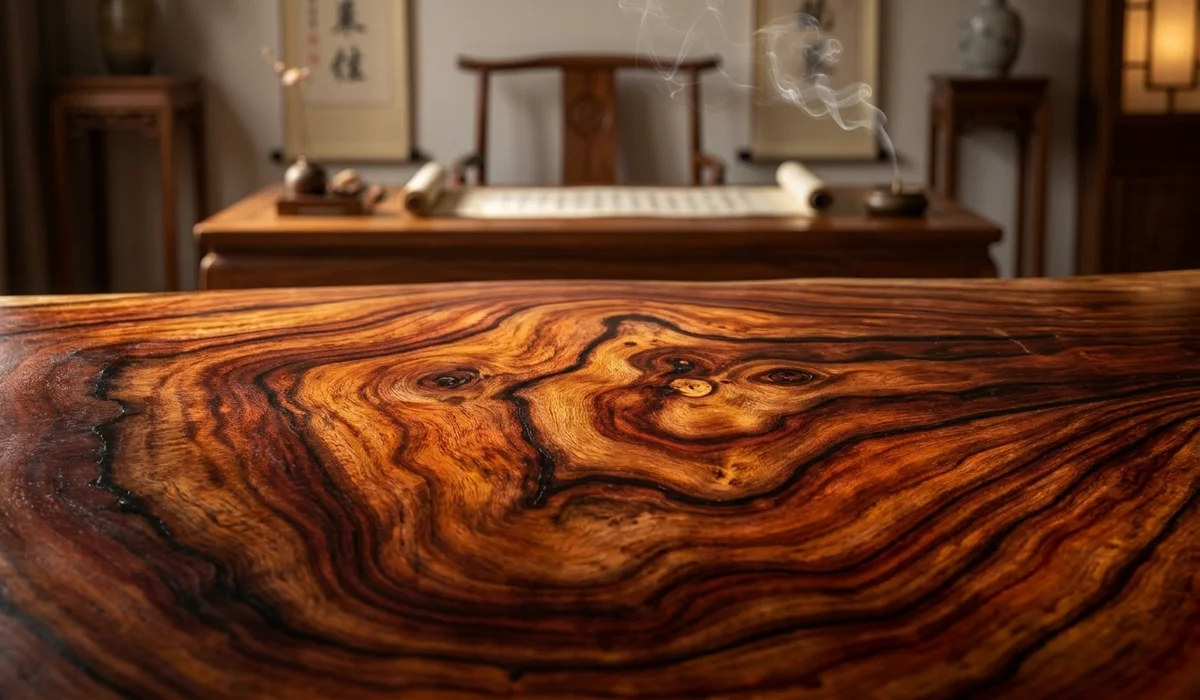
Huanghuali is a high-density rosewood that was traditionally found on Hainan Island. It grows very slowly, which allows it to develop a rich, oily resin that holds a special place in Taoist rituals. Because it takes so long to mature, the wood is thought to hold the patient energy of the earth itself.
Origin and Materials
For hundreds of years, this sacred wood was saved for the finest objects used by scholars and emperors. It grows in harsh environments, which helps it refine the essence of the sky and the ground into its grain. Today, the best tools for meditation are made from the heartwood, where the scent and oils are the strongest.
Basic Characteristics for Meditation
The most famous feature of this wood is its “ghost face” patterns, which are swirling knots that look like small faces. It also has a clean, medicinal smell that helps clear the mind during meditation. Over time, the wood develops a natural shine called a patina, which shows how often a practitioner has used it.
Spiritual Meaning & Symbolism
In Chinese philosophy, Huanghuali represents the virtue of a true gentleman. It is strong and tough on the inside, but smooth and polished on the outside. This balance makes it a perfect symbol for the Taoist path of staying flexible yet firm in one’s spirit.
Traditional Symbolism
This wood is closely tied to the Wood element in the Five Element theory. This element stands for upward growth, just like a tree reaching for the sun, and the expansion of the mind. The durability of the wood also serves as a metaphor for the “immortal” spirit that many Taoist practitioners hope to achieve.
Chakra and Energy Associations
We often recommend this wood for the Root Chakra because it is so heavy and grounding. It is also linked to the Third Eye because the “ghost face” knots help open the mind during visual exercises. Many of our clients find that it helps move energy through the Microcosmic Orbit, which is a key part of Inner Alchemy.
Cultural and Historical Context
History shows that Taoist monks and scholars used Huanghuali objects for “sitting in forgetfulness” or Zuowang(坐忘). Ancient texts suggest that being around materials that do not block Chi flow is very important for health. This wood is still seen as a “precious timber” that holds the quiet energy of mountain retreats.
| Feature | Huanghuali Wood | Sandalwood |
|---|---|---|
| Primary Use | Grounding and Anchoring | Clearing and Calming |
| Scent Profile | Medicinal and Subtle | Sweet and Cooling |
| Density | Very High (Heavier) | Medium (Lighter) |
| Element | Wood / Earth | Wood / Air |
Benefits & Intentions Associated with Huanghuali
When people come to us looking for a Huanghuali piece, they usually want to feel more balanced. This wood is famous for its Qi flow balancing properties, which help fix energy that feels stuck. It is a favorite tool for anyone who feels like their thoughts are scattered or messy.
Commonly Associated Intentions
Many practitioners use this wood to create a “buffer” against negative energy from the outside world. It helps a person stay rooted in their physical body, which is very helpful for those who spend too much time in their own heads. You can learn more about these effects by checking Crystal Meanings Healing for a deeper look at spiritual tools.
Mindfulness and Personal Practices
Using this wood can make Zhuangzi meditation techniques much more effective by giving your hands something stable to hold. Practitioners often follow the lines of the wood grain with their eyes to enter a trance-like state. According to Traditional Chinese Medicine, the natural aroma of Huanghuali helps calm the Shen or spirit.
Video source:YouTube
Author:Giovanni Dienstmann
Original video link:https://youtube.com/watch?v=5Ne6ey3Qykk
How to Wear Huanghuali Wood
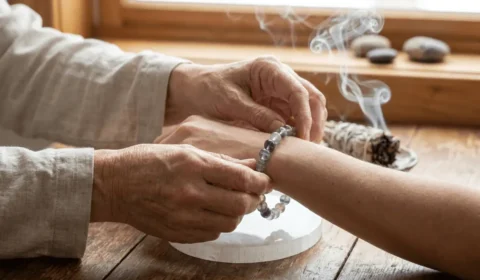
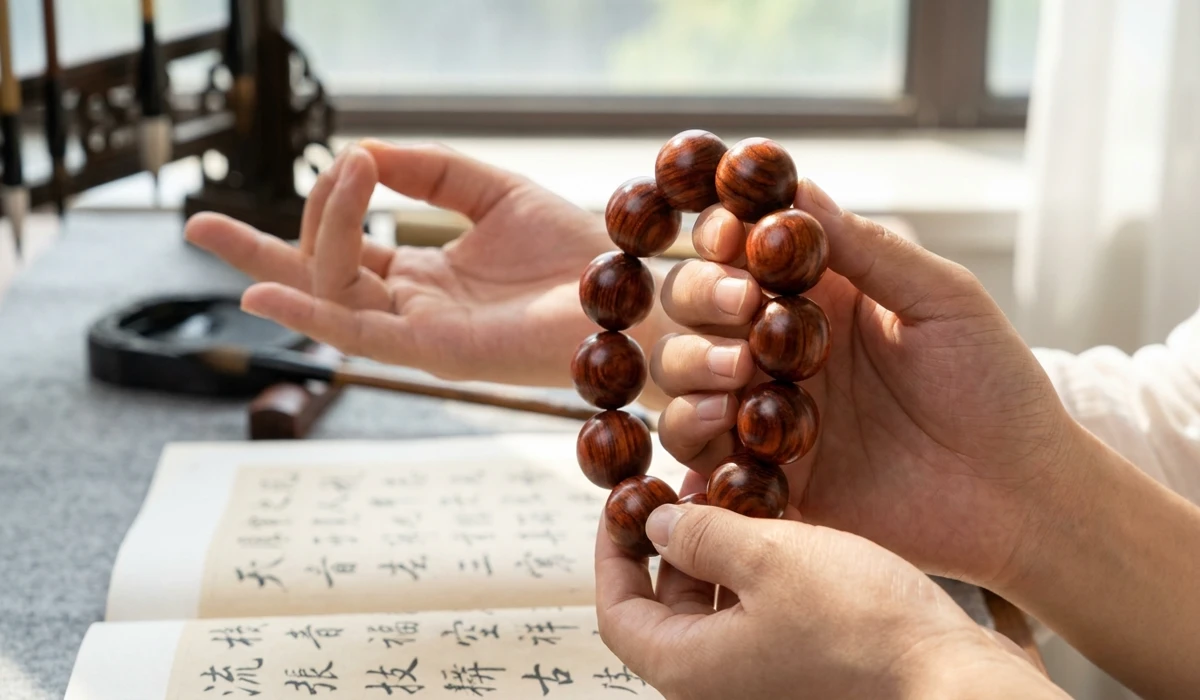
The way you wear your Huanghuali beads can change how the energy affects you. In Feng Shui(风水), we look at which hand is used to guide the energy into or out of the body. Most people find that wearing a bracelet is the easiest way to keep this grounding force with them all day.
Left Hand vs. Right Hand (Feng Shui Logic)
Wearing a Huanghuali bracelet on the left hand is the traditional way to receive its calming energy. If you choose to wear it on the right hand, you are usually trying to project stability and protection to those around you. Many of our practitioners switch hands depending on whether they need inner peace or a shield against stress.
When People Choose to Wear It
We see many people putting on their Huanghuali beads in the early morning to match the rising energy of the day. It is also a popular choice for students or writers who need to stay focused for a long time. It is great for travel because it helps you stay rooted when you are in a new or busy place.
Intention-Setting Practices
Before you start using your beads, it is a good idea to hold them and think about a specific goal. You might focus on the word “stillness” or “balance” while touching each bead. For those looking for high-quality pieces, you can explore Huanghua Pear to see how these beautiful items are crafted.
A user on Reddit named u/Afdud recently shared their experience with this material:
“14mm high quality Chinese rosewood bracelet. Made from old rosewood in Hainan. Has a lovely smell!”
*sources:[Wild Hainan old growth huanghuali rosewood bracelet](https://reddit.com/r/TheOudCollective/comments/1qb0aln/wild_hainan_old_growth_huanghuali_rosewood/)*
This shows how even a simple piece of jewelry can carry the unique scent and quality of old-growth wood from its original source.
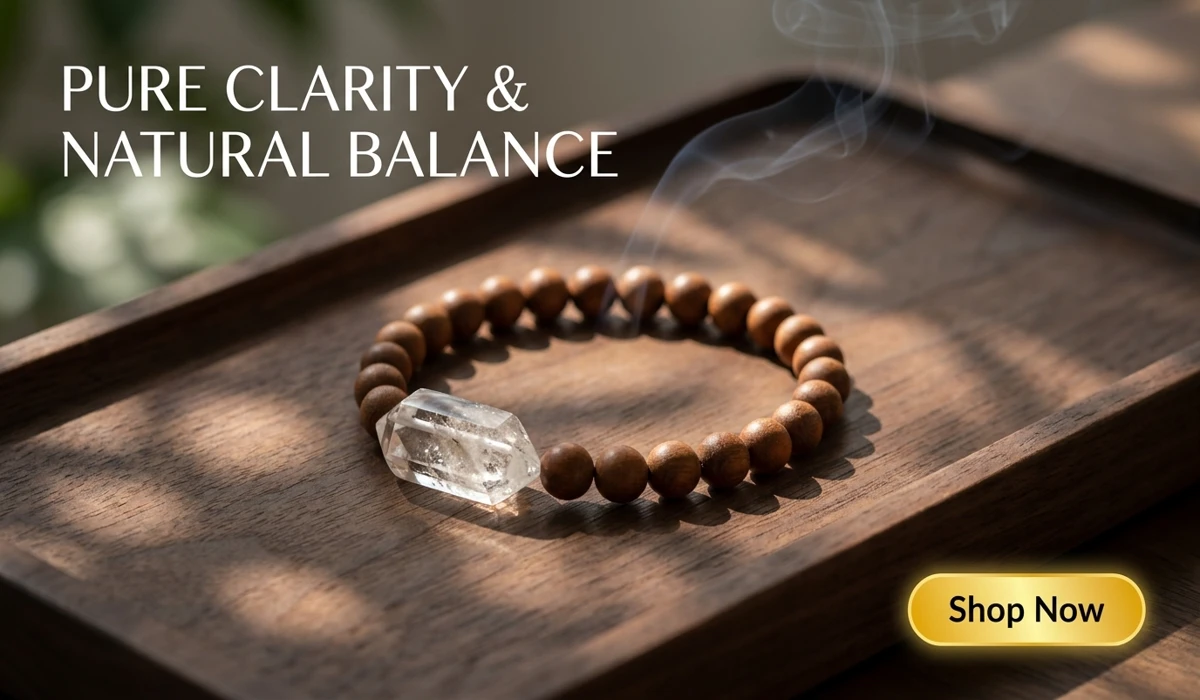
Huanghuali vs. Similar Precious Woods
It is important to know how Huanghuali differs from other woods like sandalwood or agarwood. While they are all precious, they serve different purposes in your spiritual journey. Understanding these differences can help you choose the right tool for your specific needs.
Huanghuali vs. Sandalwood
Sandalwood has a sweet, cooling smell that is great for clearing a messy mind. However, Huanghuali has a more medicinal scent that focuses on anchoring your energy for a long time. Huanghuali is much denser, which means it feels heavier and more present in your hand during meditation.
Huanghuali vs. Agarwood (Chen Xiang)
Agarwood is famous for its very high vibration and is often used for deep prayer. Huanghuali is more about Inner Alchemy and balancing the energy already inside your body. Also, Huanghuali is much tougher and easier to wear every day, while agarwood is often saved for special ceremonies.
Who Is Huanghuali Suitable For?
We often recommend this wood to people who feel “top-heavy,” meaning they have too much energy in their heads and not enough in their bodies. If you find it hard to stay still or feel safe, Huanghuali can help pull that energy down to your center. It is a wonderful companion for anyone on a lifelong path of cultivation.
Energy and Chakra Alignment
This wood is perfect for those working on their Root Chakra to feel more grounded and secure. It is also helpful for people who get distracted by things they see, as the gentle patterns of the wood provide a soft focus. To see more about how materials help the mind, read Enhancing Meditation Focus for extra tips.
Zodiac and Astrological Associations
If you were born in a Wood year or your BaZi(八字) chart lacks the Wood element, this is the best material for you. It is also very helpful for people with a “Fire” temperament who need the steady influence of Earth and Wood to stay calm. For more on the technical side of precious materials, you can visit the Gemological Institute of America.
Lifestyle & Personal Intentions
We find that writers, students, and scholars love this wood because it helps them sit still for hours. It is also a top choice for those who want meaningful Taoist prayer beads. If you are going through a big life change, the “precious stability” of this wood can be very comforting.
How to Cleanse, Charge, and Care for Huanghuali
To keep your Huanghuali wood working well, you need to take care of it properly. Because it is a natural material filled with oil, it requires a different kind of care than crystals or metal jewelry. Following these steps will help the wood develop a beautiful patina over the years.
Cleansing Methods
The best way to clean your beads is to pass them through the smoke of sandalwood or agarwood incense. This clears away any static energy they have picked up. You can also use a singing bowl to reset the wood’s vibration with sound. Never use water, as it can ruin the natural oils and damage the wood.
Charging Practices
We suggest placing the wood under the light of a full moon to refill its Yin energy. The most traditional way to “charge” the wood is simply to use it for meditation every day. You can also keep it near a piece of clear quartz to keep its energy fresh. For more on general wood history, check Online Encyclopedia Wikipedia.
Daily Care & Storage
Use a soft, dry cloth to gently rub the beads once in a while. This moves the natural oils around and creates a deep, beautiful shine. When you aren’t wearing them, keep them in a cloth bag so they don’t dry out. Always keep them away from strong perfumes, as the wood will soak up those smells.
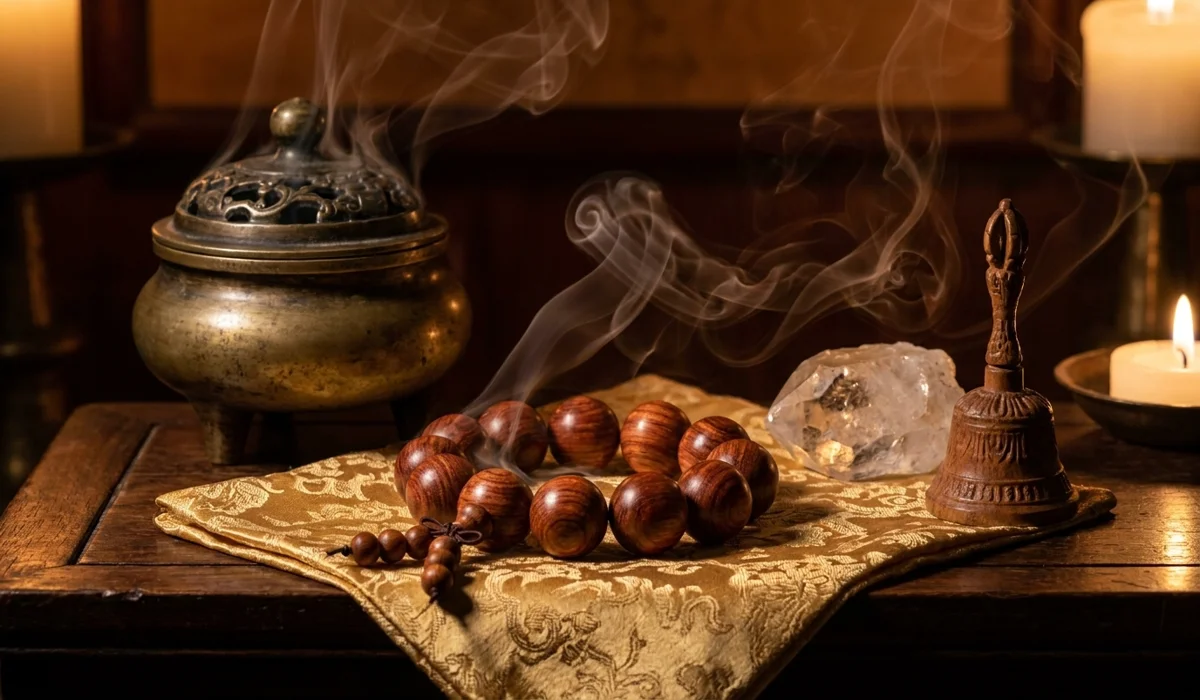
Frequently Asked Questions
Q: What is the spiritual significance of Huanghuali wood in Taoism?
A: Within Taoist tradition, Huanghuali is revered as a bridge between the physical and spiritual realms, specifically used to stabilize the Shen or spirit. Its density and age symbolize the endurance of the Tao, making it a primary tool for those practicing inner cultivation and seeking to align with the natural rhythm of the universe.
Q: How do the ‘ghost face’ patterns on Huanghuali aid in meditation?
A: The ghost face patterns—natural, swirling knots that resemble eyes or faces—serve as a powerful tool for visualization. Practitioners use these patterns as a focal point to draw the mind away from external distractions and into a state of oneness, where the complexity of the wood reflects the complexity of the internal landscape.
Q: Can Huanghuali wood help in balancing Qi flow?
A: Yes, Huanghuali is traditionally believed to act as a regulator for Qi. Because of its grounded, earthy nature, it helps to smooth out turbulent energy in the body. By holding or wearing the wood, a practitioner can more easily move energy through the meridians, preventing the stagnation that often leads to mental or spiritual fatigue.
Q: Why is the scent of Huanghua pear considered calming for the mind?
A: The scent of Huanghua pear is subtle and medicinal, containing natural terpenes that are believed to have a direct, soothing effect on the nervous system. Unlike heavy perfumes, this natural aroma gently clears the respiratory passages and encourages the deep, diaphragmatic breathing necessary for successful Taoist meditation.
Q: How should I use Huanghuali mala beads for counting mantras?
A: To use Huanghuali beads for mantra recitation, hold the mala in your right hand, draped over the middle finger. Use your thumb to pull each bead toward you after every completed mantra or breath. The weight and smoothness of the Huanghuali wood provide a tactile feedback that keeps the practitioner present and prevents the drifting of the mind during long sessions.
Conclusion & Gentle Next Step
Huanghuali is much more than just a piece of wood; it is a silent partner that helps you on your path to Taoist transformation. Its special look, calming scent, and heavy weight make it a perfect tool for anyone living in the modern world. By bringing this wood into your daily life, you are following a long line of scholars and sages who valued stillness above all else. We invite you to find a piece that speaks to you and see how it changes your practice. For those who enjoy the beauty of wood in other forms, you can learn about caring for precious items at Gemmological Association Britain. Start your journey toward inner peace today by finding a tool that truly grounds you.
Honoring the ancient traditions of the scholars, Huanghuali offers a path to silence in a loud world. We welcome you to find your own anchor.Explore Fine Huanghua Pear at Buddha Bodhis Studio and begin your cultivation today.
The content provided here is for informational and cultural exchange purposes only. It does not constitute medical, legal, financial, or other professional advice. Readers should consult with qualified professionals if they have specific needs or concerns regarding their health or well-being.
Written by the Buddha Bodhis Team
Since 2020, we have been devoted to exploring traditional year-based wisdom, classical Feng Shui principles, and the rich spiritual symbolism rooted in Eastern cultural heritage. Our work bridges ancient metaphysical systems with modern life, interpreting annual cycles, elemental energies, and symbolic meanings to offer thoughtful insight and practical guidance. Through continuous research and practice, we aim to preserve traditional knowledge while making it accessible, relevant, and meaningful for contemporary seekers of balance, intention, and personal growth.
TikTok | YouTube | Pinterest | X
buddhabodhis@gmail.com